Unearth the Legend of an Ancient Witch and Experience a Powerful Purification Ceremony
The Calon Arang Ritual is one of Bali’s most sacred and mystical traditional ceremonies. Rooted in the legend of a powerful witch, Calon Arang, from Girah Village, this ritual retells a story steeped in magic, drama, and deep spiritual symbolism. Calon Arang’s anger and dark powers led to destruction and disease, which only ended when the holy priest Mpu Bharadah confronted her under the orders of King Airlangga.
At its heart, the Calon Arang ceremony features a dance drama that captures the intense battle between Rangda, Calon Arang’s evil form, and Barong, a symbol of goodness. This performance is not just a dramatic retelling but also an integral part of Balinese spiritual practice, aimed at purifying the area from negative forces.
Experience Bali’s Spiritual Energy
Attending the Calon Arang ceremony is more than just witnessing a story unfold. It offers a deep dive into Bali’s rich spiritual traditions and the island’s ongoing efforts to cleanse itself from unseen evils. Performed in temples and sacred places, this unique ritual immerses you in a world where mythology and spirituality collide.
Plan your visit to Bali and witness this powerful purification ceremony! Whether you’re seeking a deeper understanding of Balinese culture or simply looking to experience its mystical energy, the Calon Arang ritual is an unforgettable experience that connects you to Bali’s ancient traditions.
Who Was Calon Arang?
Calon Arang is one of the most famous figures in Balinese and Javanese folklore. According to ancient stories, she was a powerful widow from Girah Village who possessed extraordinary knowledge of black magic. Feared by many, Calon Arang became known for using her supernatural powers to spread disease and misfortune throughout the kingdom.
The legend gained prominence during the reign of King Airlangga in East Java. Historical and literary sources describe how the kingdom suffered from mysterious illnesses and disasters believed to be caused by Calon Arang’s anger and magical abilities. To restore peace, the king requested the assistance of the respected priest Mpu Bharadah.
The Battle Between Rangda and Barong
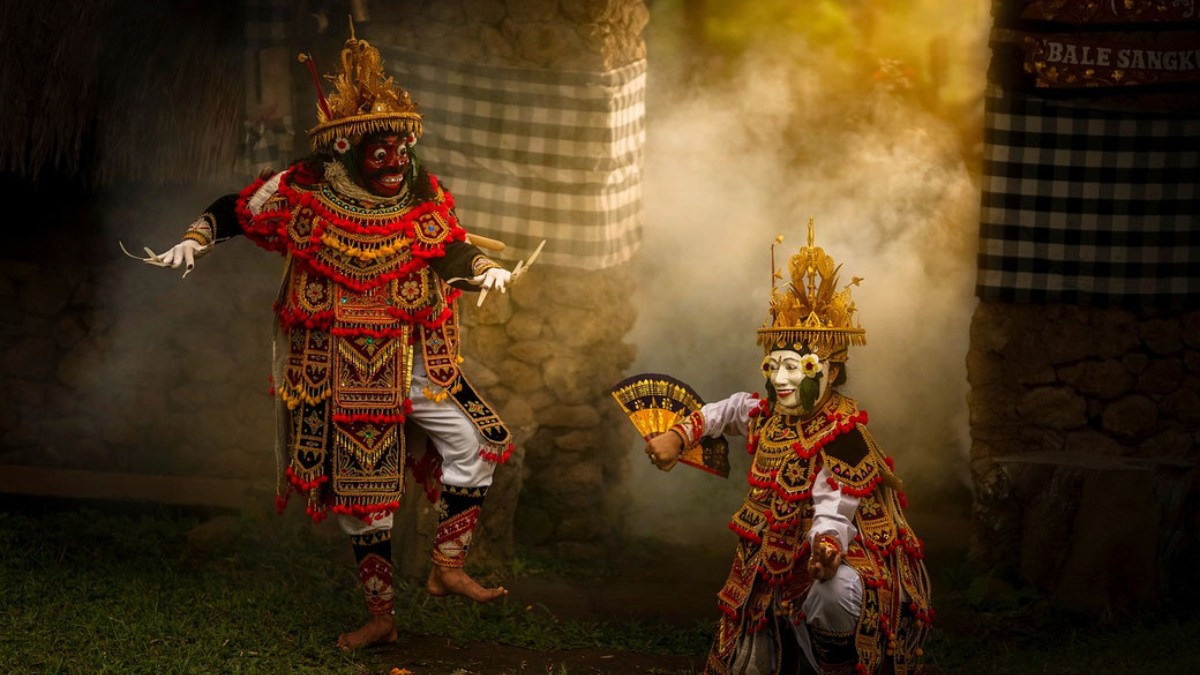
One of the most important elements of the Calon Arang ritual is the symbolic battle between Rangda and Barong.
Rangda represents destructive forces, chaos, and dark spiritual energy. She is often portrayed with long fangs, wild hair, and an intimidating appearance. In Balinese culture, Rangda is commonly associated with Calon Arang.
Barong, on the other hand, symbolizes protection, goodness, and harmony. He is regarded as a guardian spirit who protects communities from negative forces.
The dramatic confrontation between Barong and Rangda is not simply entertainment. It reflects the Balinese philosophy of balance, where good and evil coexist and must remain in harmony.
The Spiritual Meaning of the Calon Arang Ritual
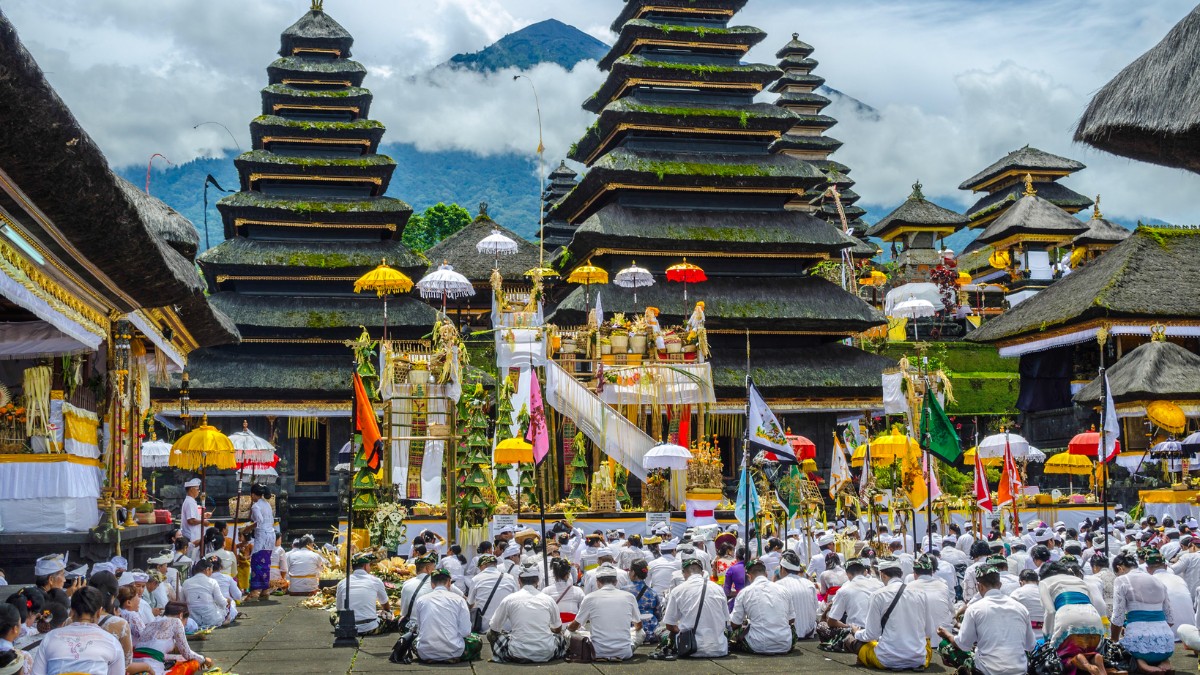
For Balinese Hindus, the Calon Arang ritual serves a deeper purpose than storytelling. It is considered a purification ceremony that helps cleanse negative energies from a community.
The ritual is often performed during temple ceremonies, village festivals, and important religious events. Through prayers, offerings, sacred dances, and traditional music, participants seek spiritual protection and harmony.
Many local communities believe that the ritual helps restore balance between the physical world and the unseen spiritual realm.
Where Can You Watch a Calon Arang Performance in Bali?
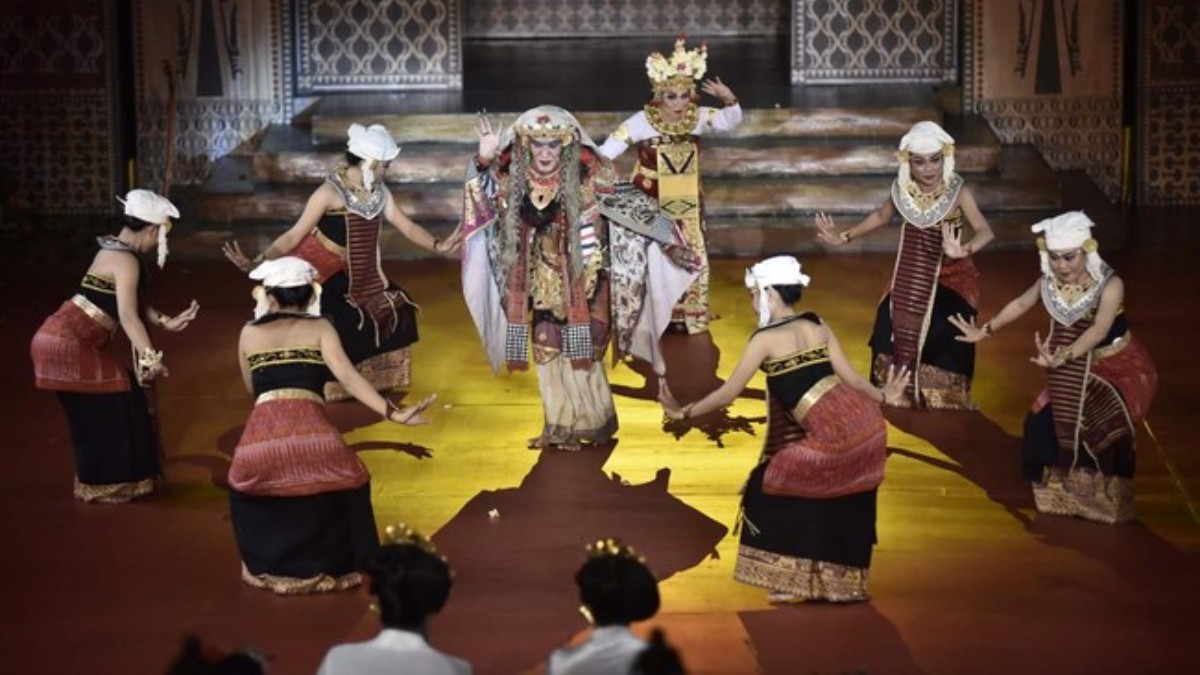
Visitors interested in Balinese culture can occasionally witness Calon Arang performances in several areas of Bali, including:
- Ubud
- Gianyar
- Batubulan
- Traditional village temples
- Religious festivals and temple celebrations
Because many performances are connected to religious ceremonies, schedules may vary depending on the local temple calendar.
Why Travelers Should Experience the Calon Arang Ritual
Experiencing the Calon Arang ritual offers a unique opportunity to understand Bali beyond its beaches and tourist attractions.
The performance combines mythology, religion, dance, music, and community participation into a powerful cultural experience. Visitors gain insight into the island’s spiritual traditions while witnessing one of Bali’s most iconic stories.
For travelers seeking authentic cultural experiences, the Calon Arang ritual provides a deeper connection to Balinese heritage and beliefs.
Frequently Asked Questions About Calon Arang
What is Calon Arang?
Calon Arang is a legendary figure in Balinese and Javanese folklore, often associated with powerful magical abilities and the character of Rangda.
Is Calon Arang a real person?
Historians continue to debate whether Calon Arang was a real historical figure or a legendary character. Today, she remains an important cultural symbol in Indonesian folklore.
What is the purpose of the Calon Arang ritual?
The ritual is performed to symbolize the struggle between good and evil while promoting spiritual cleansing and harmony.
Where can tourists watch the Calon Arang ritual in Bali?
Tourists may find performances in Ubud, Gianyar, Batubulan, and during traditional temple festivals throughout Bali.
What is the difference between Rangda and Barong?
Rangda represents destructive forces and is often associated with Calon Arang, while Barong symbolizes protection, goodness, and balance.
For an immersive cultural experience, don’t miss out on this sacred ritual during your next trip to Bali!
📩 Contact us for consultations:
🌐 www.azraid.com
📞 +62 812-8946-2599 | +62 818-0540-4204
📱azrapradipasolusi