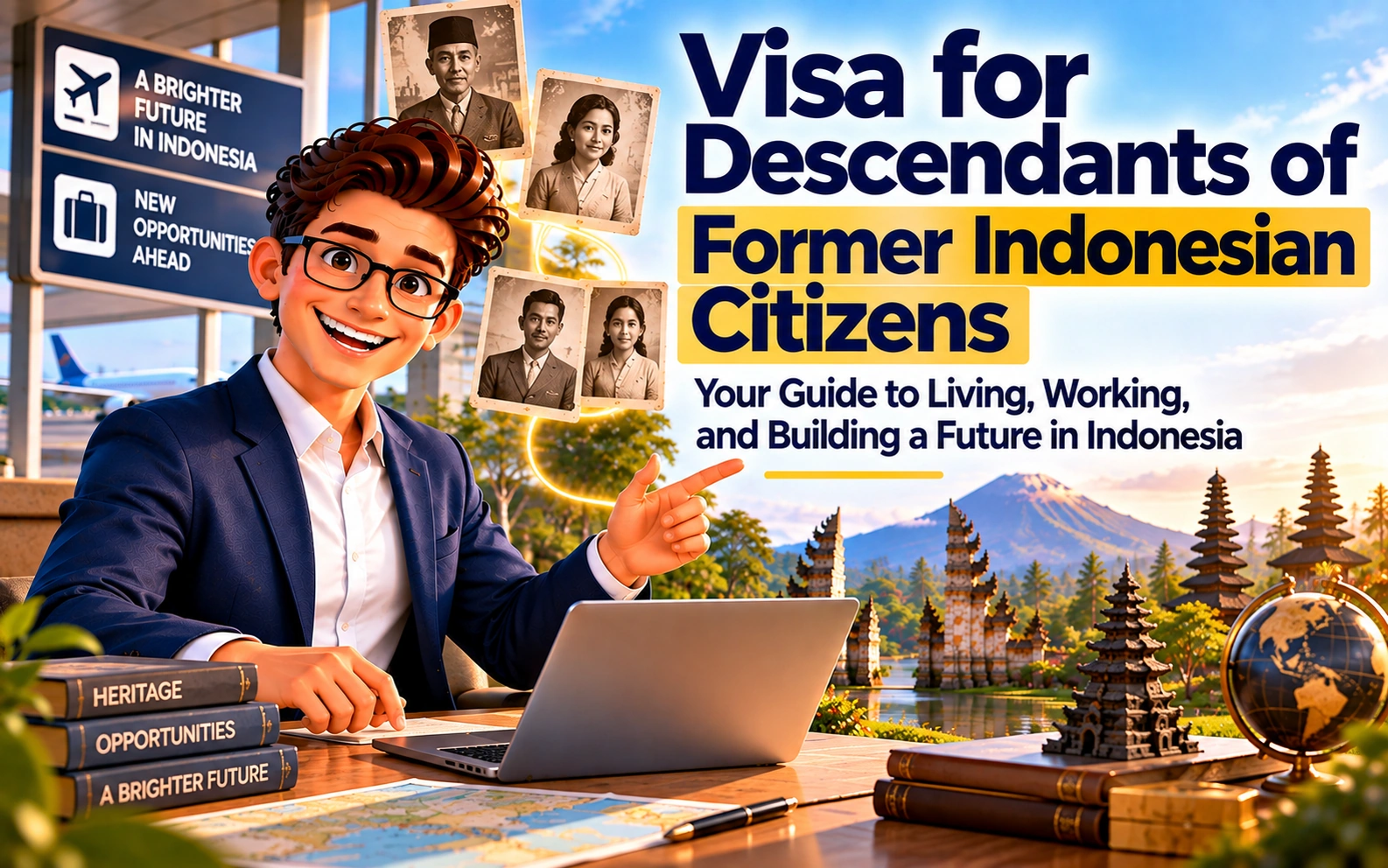
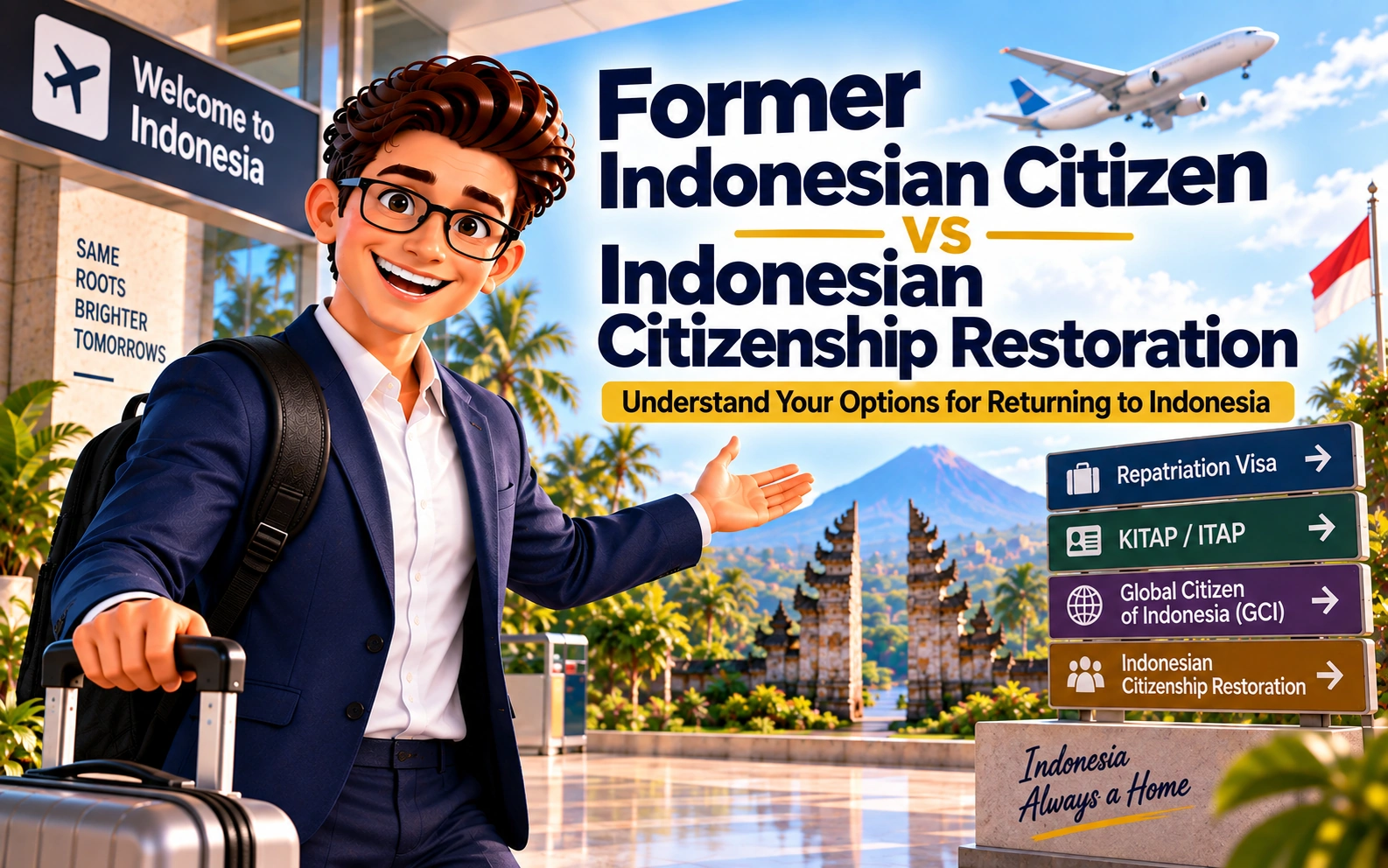
Indonesia, with its vibrant culture and expanding economy, is a popular destination for foreign workers and their families. Navigating the immigration process, however, can be complex. This guide aims to simplify the journey, offering clear steps and essential information for foreign workers and their families moving to Indonesia.
1. Understanding Visa Types
Work Visa (KITAS)
The KITAS (Kartu Izin Tinggal Terbatas) is a Temporary Stay Permit for foreign workers. It allows you to live and work in Indonesia for a specific period, typically one year, and is renewable.
Requirements:
- A valid job offer from an Indonesian company.
- Approval from the Indonesian Ministry of Manpower.
- Required documents: passport, recent photographs, a completed application form, and a sponsor letter from your employer.
Dependent Visa (KITAS)
Family members (spouse and children) of the foreign worker can apply for a Dependent KITAS, which allows them to live in Indonesia but not work.
Requirements:
- A valid KITAS of the primary visa holder.
- Required documents: passports, marriage certificate (for spouse), birth certificates (for children), recent photographs, and a completed application form.
Social-Cultural Visa (Visa Budaya)
This visa is for foreigners visiting Indonesia for social, cultural, or family purposes. It’s suitable for those planning an extended stay but not for work purposes.
Requirements:
- A sponsor letter from an Indonesian citizen.
- Required documents: passport, recent photographs, a completed application form, and proof of sufficient funds.
Retirement Visa
For foreigners aged 55 and above who wish to retire in Indonesia. This visa allows long-term stay but does not permit employment.
Requirements:
- Proof of sufficient pension funds.
- Health and life insurance.
- Rental agreement for housing in Indonesia.
- Required documents: passport, recent photographs, a completed application form, and a sponsor letter from an Indonesian agent.
2. Application Process
Step-by-Step Guide for Work Visa (KITAS)
- Job Offer and Work Permit (IMTA)
-
- Secure a job offer from an Indonesian employer.
- The employer applies for a work permit (IMTA) from the Ministry of Manpower.
- Visa Telex Approval
-
- Once the IMTA is approved, the employer obtains a Visa Telex from the Directorate General of Immigration.
- The Visa Telex is sent to the Indonesian Embassy or Consulate in your home country.
- Visa Application at Indonesian Embassy/Consulate
-
- Submit the required documents along with the Visa Telex to the Indonesian Embassy or Consulate.
- Pay the visa fee and wait for the visa issuance.
- Arrival in Indonesia and Conversion to KITAS
-
- Upon arrival, apply for the KITAS at the local immigration office.
- Undergo a biometric process (fingerprinting and photograph).
- Receive your KITAS and Multiple Exit Re-Entry Permit (MERP).
Applying for Dependent KITAS
- Primary KITAS Holder’s Preparation
-
- Ensure the primary KITAS holder has all necessary documents.
- Application Submission
-
- Submit required documents to the local immigration office.
- Pay the processing fee.
- Biometric Process and Issuance
-
- Family members undergo the biometric process.
- Receive the Dependent KITAS and MERP.
3. Living in Indonesia
Registration and Reporting
Upon arrival, register at the local civil registry office (Dukcapil) to obtain a Surat Tanda Melapor (STM) and a Surat Keterangan Tempat Tinggal (SKTT), which are mandatory for foreigners residing in Indonesia.
Health Insurance
Ensure you have adequate health insurance coverage, either through international insurance providers or local options like BPJS Kesehatan (national health insurance).
Banking and Financial Services
Open a local bank account to manage your finances easily. Banks like BCA, Mandiri, and BNI offer services for foreigners.
Housing and Accommodation
Consider renting a house or apartment. Websites like Rumah123 and OLX Indonesia can help you find suitable housing options.
Education
For families with children, explore international schools such as Jakarta Intercultural School (JIS) or British School Jakarta (BSJ).
4. Renewals and Extensions
KITAS Renewal
Renew your KITAS at least 30 days before it expires. The process involves submitting updated documents and undergoing the biometric process again.
Converting KITAS to KITAP
After three consecutive years on a KITAS, you can apply for a KITAP (Permanent Stay Permit), which offers more long-term stability.
5. Legal and Cultural Considerations
Employment Regulations
Ensure your employment contract complies with Indonesian labor laws, including salary, benefits, and working conditions.
Cultural Sensitivity
Respect local customs and traditions. Learning basic Bahasa Indonesia can significantly enhance your experience and integration into the community.
Navigating Indonesian immigration processes can be challenging, but understanding the requirements and procedures for obtaining the necessary visas and permits will make the transition smoother. Engage professional legal and immigration services if needed to ensure compliance and ease your move. By preparing adequately, you can enjoy the vibrant lifestyle and opportunities Indonesia offers to foreign workers and their families.
📩 Contact us for consultations:
🌐 www.azraid.com
📞 +62 812-8946-2599 | +62 818-0540-4204
📱azrapradipasolusi