When it comes to international travel, having a secure and durable passport is essential. In recent years, there has been a shift from regular e-passports to more advanced polycarbonate e-passports. But what exactly is the difference between these two types of e-passports? Here’s what you need to know to make an informed choice.
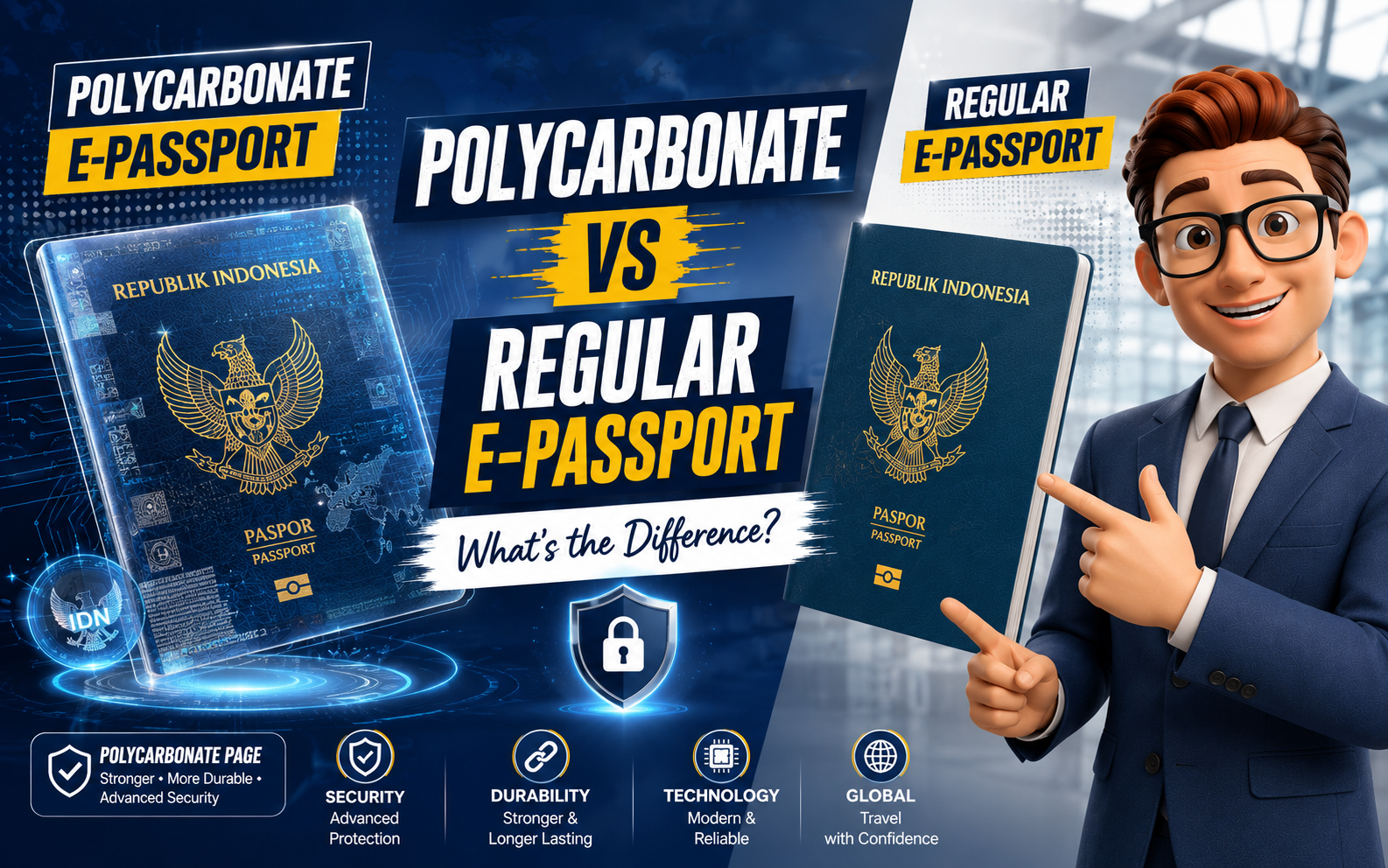
1. Difference in Material and Durability
- Regular E-Passport: The traditional e-passport is made with an ordinary glossy laminated paper material. While this type of passport is functional, it tends to be less durable, as the pages can fold, bend, or even tear over time due to the less sturdy material.
- Polycarbonate E-Passport: In contrast, the polycarbonate e-passport is crafted from a strong, rigid polycarbonate material. This makes it much more durable, resistant to folding or bending, and overall more robust. The use of polycarbonate ensures that the passport can withstand regular wear and tear, making it a longer-lasting option for frequent travelers.
2. Printing Technology
- Regular E-Passport: The printing technology used for regular e-passports involves the use of standard ink. This conventional printing method is effective but does not offer any advanced security features beyond the basic ink application.
- Polycarbonate E-Passport: The polycarbonate version takes advantage of advanced laser printing technology. This method is far superior as it engraves the information directly onto the polycarbonate material. This laser engraving is not only more durable but also provides additional security features that are more resistant to tampering and forgery.
| Feature | Regular E-Passport | Polycarbonate E-Passport |
|---|---|---|
| Material | Laminated paper | Polycarbonate |
| Durability | Moderate | Very High |
| Printing Method | Ink printing | Laser engraving |
| Security | Standard | Advanced |
| Resistance to Tampering | Moderate | High |
| Lifespan | Shorter | Longer |
3. Enhanced Security Features
- Regular E-Passport: While regular e-passports do store the holder’s data in an embedded chip, they rely on basic security features. The data stored can be read by scanning the chip, but it lacks the advanced encryption methods that offer higher security.
- Polycarbonate E-Passport: The polycarbonate e-passport goes a step further in securing the holder’s information. It also contains an embedded chip that stores the holder’s data, but this data can only be accessed with a special encryption key, adding an extra layer of security against unauthorized access. Moreover, it incorporates a hologram effect that changes color when viewed from different angles, making it significantly more difficult to counterfeit. This enhanced security makes the polycarbonate e-passport a more secure and reliable choice for travelers.
4. Why Are Countries Switching to Polycarbonate Passports?
Governments around the world are increasingly adopting polycarbonate passport technology due to its superior security, durability, and resistance to fraud. As international travel continues to grow, countries face increasing pressure to strengthen border security while improving the reliability of travel documents.
One of the main reasons for this transition is the ability of polycarbonate material to protect sensitive personal information. Unlike traditional laminated passport pages, polycarbonate pages are produced as a single solid structure, making unauthorized alterations extremely difficult.
Another significant advantage is durability. Frequent travelers often expose passports to bending, moisture, temperature changes, and constant handling. Polycarbonate passports are specifically designed to withstand these conditions while maintaining the integrity of the personal data page.
The adoption of laser engraving technology also plays an important role. Personal information and photographs are engraved directly into the material, making them highly resistant to tampering and counterfeiting attempts.
In addition, many governments are modernizing their travel document systems to comply with international aviation and border security standards. Polycarbonate passports support advanced biometric verification and contribute to faster identity authentication at immigration checkpoints worldwide.
5. Polycarbonate Passport vs Regular E-Passport
| Feature | Polycarbonate Passport | Regular E-Passport |
|---|---|---|
| Data Page Material | Polycarbonate | Laminated Paper |
| Security Level | Very High | Standard |
| Laser Engraving | Yes | No |
| Resistance to Tampering | Excellent | Moderate |
| Durability | Excellent | Good |
| Counterfeit Protection | Superior | Moderate |
| Wear and Tear Resistance | High | Medium |
| Lifespan | Longer | Standard |
| Biometric Compatibility | Advanced | Standard |
| International Acceptance | Excellent | Excellent |
While both passport types meet international travel requirements, polycarbonate passports provide a significantly higher level of protection against fraud and physical damage. This makes them a preferred choice for governments seeking stronger document security and for travelers looking for greater reliability.
6. Does Indonesia Use Polycarbonate Passports?
If you are planning to visit, work, invest, or relocate to Indonesia, understanding passport requirements is only one part of the process. You may also explore our Indonesia visa and immigration guides for detailed information about visa options, stay permits, and legal requirements for foreign nationals.
Indonesia visa and immigration guides
Indonesia has begun adopting polycarbonate passport technology as part of its efforts to improve document security and modernize its immigration system. The transition reflects a broader global trend toward stronger travel document protection and enhanced border security.
Polycarbonate passports provide better resistance against forgery, unauthorized modifications, and identity fraud. By incorporating advanced security features and laser-engraved personal data, these passports help ensure greater authenticity and reliability during international travel.
For travelers, the introduction of polycarbonate passports represents an important improvement in both security and durability. The stronger material helps protect the passport from damage while maintaining the readability of critical personal information throughout the document’s validity period.
As more countries implement advanced border control systems, polycarbonate passports are expected to play an increasingly important role in facilitating secure and efficient international travel.
7. Frequently Asked Questions (FAQ)
What is a polycarbonate passport?
A polycarbonate passport is a modern passport that uses a solid polycarbonate data page with laser-engraved personal information, providing enhanced durability and security.
Is a polycarbonate passport better than a regular passport?
Polycarbonate passports generally offer better durability, stronger security features, and greater resistance to forgery compared to traditional laminated passports.
Why is a polycarbonate passport more secure?
The personal information is laser engraved directly into the polycarbonate material, making unauthorized modifications extremely difficult.
Does Indonesia issue polycarbonate passports?
Indonesia has started implementing polycarbonate passport technology as part of its efforts to strengthen passport security and modernize immigration services.
Can polycarbonate passports be forged?
While no document is completely immune to fraud, polycarbonate passports are significantly more difficult to counterfeit than traditional passport formats.
How long does a polycarbonate passport last?
The validity period depends on the issuing country’s regulations, but the polycarbonate material itself is designed to remain durable throughout the passport’s lifespan.
Which countries use polycarbonate passports?
Many countries around the world have adopted polycarbonate passport technology, including several European, Asian, and Oceania nations.
Is a polycarbonate passport an e-passport?
Many polycarbonate passports are also e-passports because they contain an embedded electronic chip that stores biometric and personal information.
Can I travel internationally with a polycarbonate passport?
Yes. Polycarbonate passports are internationally recognized travel documents and fully comply with global passport standards.
What are the advantages of polycarbonate passports?
The primary advantages include improved security, enhanced durability, stronger protection against identity fraud, and greater resistance to physical damage.
Can Polycarbonate Passports Be Damaged?
Yes. While polycarbonate passports are significantly more durable than traditional passports, they can still be damaged by extreme heat, intentional destruction, or improper handling. However, under normal travel conditions, polycarbonate passports generally last longer and maintain their physical integrity better than regular e-passports.
Which Countries Use Polycarbonate Passports?
Many countries have adopted polycarbonate passport technology to improve document security and reduce the risk of identity fraud. Countries such as Australia, Canada, Singapore, New Zealand, and several European Union member states use polycarbonate data pages in their passports. The adoption of this technology continues to grow worldwide as governments seek more secure travel documents.
Understanding the differences between a regular e-passport and a polycarbonate e-passport is crucial for those who travel frequently or are concerned about the security of their travel documents. The polycarbonate e-passport offers superior durability, advanced printing technology, and enhanced security features that make it a more secure option for international travel.
Call to Action:
Thinking about renewing your passport? Consider opting for a polycarbonate e-passport for added security and durability. Still have questions? Reach out to Azra Solutions for more information and assistance with your travel documents! #TravelSmart #PassportSecurity #AzraSolutions
📩 Contact us for consultations:
🌐 www.azraid.com
📞 +62 812-8946-2599 | +62 818-0540-4204
📱azrapradipasolusi